Search our Resources
People, publications, projects, videos, stories, and more
Kaupapa · Projects 547
The objectives of this research were twofold: first, to assess the societal impacts of the forestry industry on the wider Māori community as a result of the presence of the Whakatāne Board Mill and the Kawerau Norske Skog Tasman Mill in the Bay of Plenty region and second, to examine; (i) the extent to which employment at the mills has provided social…
Eugenics, Race ideologies and Biotechnology in Aotearoa: a Scoping Study
This research project examined the extent to which eugenics and race theories as discourses promoted certain forms of relationships that played a key role in defining social structures for both Māori and Pākehā.
Towards the development of guidelines for handling, use and storage of Māori genetic material in research
Efforts have been made to develop protocols for the use and handling of blood samples, but at the time of this study starting, the formation of guidelines that take into account the needs and views of Māori had not been completed. Guided by Kaupapa Māori research methodologies, this study acknowledged He Korowai Oranga (The Ministry of Health’s Māori Health…
Ko te huarahi ki mua: Roads for change
This project sought to identify and assess the damage done to Papatūānuku (Mother Earth) by chemical contamination from road construction in the Auckland metropolitan area, and to consider ways in which she may be healed. The research team built collaborations between Ngāti Whātua, Manaaki Whenua and key stakeholder organisations such as Transit New Zealand…
Te Reo, a language for Māori alone? An enquiry into the views of Māori
This research study canvassed Māori opinion at flax-roots level on the idea that te reo Māori, their language, be shared by all New Zealanders. A wide range of views and various types of data were gathered, and the response to the question of whether Maori could be considered a language for all New Zealanders signalled an affirmative response. However…
Whanake te kura i Tawhitinui – Building resilience within Māori communities
This research explores how mātauranga Māori enriches natural hazard resilience in Aotearoa by integrating Indigenous knowledge with science. It highlights Māori-led solutions that strengthen cultural identity, wellbeing, and community response to disasters. The resulting publication will be accessible and visually engaging, showcasing collaborative research…
Kairangahau · Researchers
-
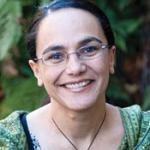
Kristie-Lee Thomas
Kristie-Lee Thomas
Tēnā koe! He uri au nō Ngāti Mutunga ō Wharekauri me Te Āti Awa.I'm passionate about bringing people and knowledge systems, particularly Mātauranga Māori and disaster risk science together in ways that best support whānau, hapū, iwi & local communities in planning and preparing for disaster events and climate change.I currently work part time for UC on a number of kaupapa Māori research projects, co-lead RNC Te Whanake Te Kura i Tawhiti Nui research programme and teach into the UC Master of Disaster Risk and Resilience programme whilst I study towards my doctorate. -
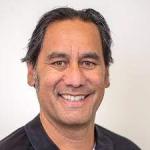
Professor Taiarahia Black
Taiarahia Black is a New Zealand academic known for advancing Māori language revitalisation and reclamation through scholarship, teaching, and cultural knowledge work. Rising to full professor at Massey University, he built a career that blends Māori language priorities with academic credibility and institutional service. His public engagements have also reflected an educator’s instinct: interpreting language and cultural values in ways that can be carried into everyday life. Across decades in higher education, he has come to represent a careful, language-centered approach to sustaining… -
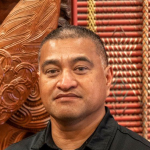
Dr Darren Ngaru King
Darren Ngaru King is an interdisciplinary research scientist with experience spanning the earth and human-systems sciences. His research focus is climate variability, tsunamis and impacts on Māori communities. He investigates factors that influence the risk, vulnerability and endurance of climate-sensitive sectors, systems and groups, using approaches grounded in applied geology, Māori oral history and Mātauranga Māori. Darren is also a member of the Kāhui Māori of the Deep South National Science Challenge. -
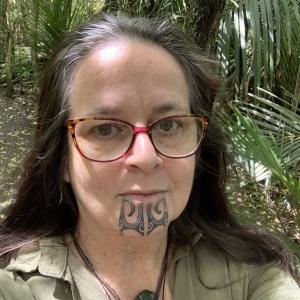
Dr Peter Meihana
Dr Peter Meihana
Peter is a Senior Lecturer in Māori History at Te Kunenga ki Pūrehuroa, Massey University, and a Trustee of Te Rūnanga a Rangitāne o Wairau. His research interests include Māori history; tribal history; and colonisation. -
Israel Birch
Israel Birch
Israel Tangaroa Birch is known for his distinctive work with steel and lacquer. His highly polished, patterned surfaces interact with light to create shifting, luminous fields of colour and shadow that seem to ripple as the viewer moves—offering a deeply immersive experience.Birch’s practice involves grinding and carving directly into steel, embedding a physicality into each work that speaks to the process of making. This dynamic energy—of movement, sound, and intent—feels captured within the material itself, reflecting his constant exploration of the medium’s limits.Birch holds a Master of… -
Professor Regan Potangaroa
Dr Regan Potangaroa is Professor at the School of Future Environments at AUT. He is recognised as a global expert in humanitarian engineering and Māori-centred resilience. With 45 years of experience spanning structural engineering, architecture, disaster response, and academia, Regan has been involved with over 200 humanitarian deployments in 22 countries and pioneered innovative assessment methods for traditional timber structures like wharenui. His recent work, featured in the short film Rising from the Earth; showcases how marae across Aotearoa are navigating seismic risk, climate change… -
Dr Ruakere Hond
Dr Ruakere Hond
Dr Ruakere Hond is a longstanding advocate of te reo Māori revitalisation and a key supporter of the Parihaka community. He was instrumental in working to achieve reconciliation between that community and the Crown, and he has held several leadership roles in Māori language organisations, including Te Reo o Taranaki, Te Whare Wānanga o Awanuiārangi, and Te Ataarangi. He has served two terms as a member of Te Taura Whiri i te Reo Māori and is a past board member of Te Mātāwai, which leads the implementation of the Maihi Māori language strategy.In 2013, Dr Hond completed a doctorate in public… -
Lara Taylor
Lara Taylor
Lara Taylor's whakapapa is to Ngāti Tahu, Tūhourangi, Ngāti Tūwharetoa, Ngāti Pāhauwera, and Ngāi Tahu ki Murihiku. She is passionate about Māori rights and interests, particularly related to Te Ao Tūroa. Her career has involved Māori planning and strategy – Auckland Council, Māori researcher at Manaaki Whenua Landcare Research, and advisory and governance roles for hapū and iwi. She is a Komiti Member on the national Māori planner’s forum Papa Pounamu, associated with the New Zealand Planning Institute. Lara has recently established her own business, E Oho! which specialises in Māori policy… -
Tonga Karena
Tonga Karena
No Ngāti Kahumate, no Ngāti Hinekura ahau. He kaiawhiawhi ki Parihaka, ā, he kaiwhakaūkaipō i te reo o Taranaki. Inā tata nei i noho hei kaimahi ki PKW – he rau whakaihoiho te tūranga. I tua atu i tērā, he kaiwhakahī waiata, he tauira tākuta, ka mutu, he pūkenga ki roto i nga whare wānanga hoki. Ko ia tērā ko te Pou Tikanga o Tuiora.As Pou Tikanga, Tonga Karena provides the cultural leadership and vision for our whole organisation. He ensures that the cultural resilience of Tui Ora kaimahi is the framework for our everyday activities and our engagement with our community.Tonga has had a…
He hakune rangahau o Te Atiawa: What could a Te Atiawa research model and methodology look like?
This internship examined publicly available sources to build a research report on Te Atiawa knowledge, perspectives, and values, aiming to develop a research model grounded in Te Atiawa mātauranga. The project informed the first phase of a Master’s thesis supporting Te Atiawa and their hapū to strengthen connections with their Tupuna Mounga, Taranaki.
Tutungia te kāpura hei oranga mō te hapū: Light the fires for our collective vitality
This PhD offers a re-examination of the tikanga of ahikā—traditionally understood as a metaphor for sustained occupation—by exploring the literal fires that burned on hapū lands. Through investigating the diverse uses of fire by Māori ancestors (for warmth, kai, light, and communication), this research reveals a richer, more refined understanding of ahikā…
Ngā Hua a Te Matatini : The benefits of kapa haka to Aotearoa
Conscious of the lack of serious inquiry into Kapa Haka, the CEO of Te Matatini Inc, the National Organisation for Kapa Haka in Aotearoa New Zealand approached Ngā Pae o te Māramatanga, New Zealand’s Māori Centre of Research Excellence (NPM), to make a start on rectifying this situation. This programme of research seeks to better appreciate the value and…
- Nikora et al. (2022). The Value of Kapa Haka – An Overview Report. Auckland, NZ : Ngā Pae o te Māramatanga
- Hall, M., & Bowden, L. (2021). Māori Performing Arts and Educational Outcomes Report.
- Meade, R. (2021). Exploring the Cultural Value of Kapa Haka – the Māori Performing Arts
- Mikaere, T.M. (2021). Ngā hua nui o te kapa haka.
- Nikora et al. (2021). Exploring the value and meaning of Kapa Haka - Māori Performing Arts : The Hine Rēhia Survey. Auckland, NZ
- Selby-Rickit, T.H.R. (2021). Ngā hua nui o te kapa haka.
- Te Huia, A., & Fox, R. (2020). Manawa ū ki te reo Māori : Matatini and non-Matatini survey responses
Kairangahau · Researchers
-
Professor Linda Waimarie Nikora FRSNZ, HFNZPS
Researcher and academic, Professor Linda Waimarie Nikora was formerly the Director of the Māori & Psychology Research Unit in the School of Psychology at the University of Waikato in New Zealand. In 2017, she became a Professor Indigenous Studies at the University of Auckland where she was also Co-Director of Ngā Pae o te Māramatanga, New Zealand’s Māori Centre of Research Excellence (2017-2025). She presently teaches in the Master's of Indigenous Studies programme and supervises dissertations, master's theses and PhDs.Her specialty interests are in the development of indigenous psychologies…
Te Awaroa – 1000 Rivers in a State of Ora by 2050
Across New Zealand, many rivers are unsafe parts of the ecosystem, with Kiwis seriously concerned about declining river health. The ‘bottom line’ regulatory approach of the government's freshwater reforms requires coordinated commitment across river stakeholders. Despite the talent and commitment of existing groups, the current fragmented approaches are not…
Kairangahau · Researchers
-
Associate Professor Daniel Hikuroa
Dr Daniel (Dan) Hikuroa is an Earth Systems Scientists who integrates mātauranga Māori (Māori knowledge) and science to realise the dreams and aspirations of the communities he works with. He is an established world expert on integrating indigenous knowledge and science and has undertaken many projects including co-writing the 2014 State of the Hauraki Gulf Environment Report, geothermal developments, co-writing iwi environmental management plans, hazard and vulnerability assessments and industrial waste rehabilitation. Dan was the Research Director for Ngā Pae o te Māramatanga from July 2011…
The Intergenerational Reality for Māori Small and Medium sized Enterprises (SME): Building resilience of Māori SMEs for the future
The significance of this research project lies in its contribution to deeper understand what role Māori SMEs have as critical constituents of the Māori Economy. Recent years have seen attention paid to the merit of the Māori economy, based on the potential of an economy worth an estimated $42.6bn in 2013 (Nana, Khan, & Schulze, 2015). However, this type of…
Kairangahau · Researchers
-
Professor Diane Ruwhiu
Diane Ruwhiu (Ngāpuhi) teaches strategic operations and supply chain management at under and post-graduate levels. In addition, she also introduces Māori values and practice into other areas, such as entrepreneurship, research methods, business communication, and organisations and sustainability.Diane's PhD, 'The Sleeping Taniwha: Exploring the practical utility of kaupapa Māori in firm performance', engaged with the premise that improved Māori firm performance and sustainable advantage, are not merely an outcome of economic activity, but are also determinants of the value derived from… -
Dr Shaun Awatere
Dr Shaun Awatere
Shaun Awatere (Ngāti Porou) is a resource economist for Landcare Research in Hamilton. He has been working to improve the incorporation of Mātauranga Māori (Māori knowledge and values) into local government planning by developing the systems and processes that will enable Māori values to be integrated into urban design and development.
Connections and Flows: Precarious Māori households in austere times
In addition to public and scholarly deliberations regarding increased inequalities in society, this project responds to the continued socio-economic exclusion of many Māori households. We draw on recent scholarship on the precariat as an emerging social class comprised of people experiencing unstable employment, unliveable incomes, inadequate state…
Kairangahau · Researchers
-
Associate Professor Mohi Rua
Mohi is NPM's Pou Pātai Whānau and is based at the University of Auckland | Waipapa Taumata Rau. He has research and teaching interests in: Māori health and inequities; Social determinants of health; Māori culture, heritage and identity; Poverty, the precariat and homelessness; Kaupapa Māori research, theory and methodologies; Decolonial practices; indigenous psychological perspectives of the interconnected self; Sport and rangatahi (Māori youth).
-
Professor Darrin Hodgetts
Darrin Hodgetts is a societal and community psychologist with interests in addressing issues of health, urban poverty, precarity, and homelessness. Darrin supervises masters and PHD candidates on a range of topics from experiences of traumatic occupations, to intermit partner violence, everyday cultural reproduction, pro-social behavior, migration and intergroup relations. He also has interests in theoretical and methodological concerns. Darrin is a societal and community psychologist with interests in addressing issues of health, urban poverty, precarity, and homelessness. Darrin supervises…
Te Aho Tapu
Māori have a long association with the natural environment and are well-positioned to make important contributions to sustainably managing natural resources in New Zealand and the world. Kaitiakitanga and other practices provide a powerful foundation for developing paradigms in governance, management, caring, development and benefit-sharing of land, water…
Kairangahau · Researchers
-
Professor Helen Moewaka Barnes
Professor Helen Moewaka Barnes is based out of Massey University and is currently Director of Whāriki and Co-director of the SHORE and Whariki Research Centre. She has worked on research in many areas; more recently relationships between the health of people and the health of environments, sexual coercion, alcohol and youth well-being and identity.Her work is both qualitative and quantitative and she is also involved in developing research within Māori paradigms. Helen is a long time NPM researcher and is now a NPM Theme Leader (Te Tai Ao - Natural Environment ) and member of our Research… -
Mr. Garth Harmsworth
Garth Harmsworth is a senior environmental scientist based in Palmerston North and has worked for Manaaki Whenua-Landcare Research since 1992. His professional career spans over 38 years in resource management, land resource assessment, national environmental databases, GIS applications, and indigenous research. Garth pioneered much of the Māori led research in Manaaki Whenua-Landcare Research Ltd., working on a wide range projects with Māori organisations, Government agencies, regional councils, industry, and communities throughout New Zealand, particularly in the areas of land use planning… -
Wendy Henwood
Wendy Henwood
Wendy Henwood lives and works from home in the Hokianga. She has a background in community health and development, and research and formative/process evaluation of community public health and community development type programmes. She also is provides evaluation and planning training with community providers in the north. Wendy is actively involved with marae/hapu developments and iwi affairs. Recent research projects have included Te Mauri O Te U-kai-po: intergenerational experiences of environment and wellbeing of an iwi, and Interconnections: the links between whānau and marae in Te… -
Dr Gail Tipa
Dr Gail Tipa
Gail Tipa (Kai Tahu) completed a BA at the University of Otago and taught for six years at schools in Dunedin and the Taieri before completing a Master's degree in Resource and Regional Planning. She then worked in the planning field firstly for Electricity Corporation of New Zealand and then for the Southern Regional Health Authority.In 1996 Gail began consultancy work, being involved with the Ngai Tahu claim and other iwi resource management projects.Since 1996 Gail has increasingly focused on work that enhances Maori aspirations. This includes representation of her rununga and iwi on…
Ngā Moemoea ō Ᾱpōpō: Empowering Taiohi Māori Leaders for the Future
This research explores how rangatahi Māori are navigating a world of deep uncertainty. Amidst climate change, poverty, injustice and cultural upheaval, this project centres Māori youth as powerful future-makers. Led by Professor Joanna Kidman, the study invites rangatahi to imagine, design, and plan thriving futures for their whānau, hapū and iwi—grounded…
Kairangahau · Researchers
-
Professor Joanna Kidman
Joanna Kidman is a sociologist with affiliations to Ngāti Maniapoto and Ngāti Raukawa. Her work spans indigenous sociology, Māori youth, higher education, decolonization studies and comparative education. She is especially interested in the interplay of power relations between different groups of people. She is a Fellow of Te Apārangi Royal Society of New Zealand.Joanna is working on several projects relating to the New Zealand Wars and the aftermath for Māori communities today. -
Professor Huia Tomlins-Jahnke
Professor Huia Tomlins Jahnke is currently a Professor of Māori Education, and Head of School in the College of Education at Massey University.
South island Māori researchers gather for first-ever symposium
“The gathering was a landmark event as the first of its kind in the South Island and it showed the great increase of Māori researchers and the breadth of areas they were involved in.” -Dr Rāwiri Taonui, Head of Māori and Indigenous Studies at the University of Canterbury Twenty years ago there where only a handful of Māori researchers with PhDs in New…
Shared knowledge succeeds in protecting bird population
“….a very positive experience. We were able to preserve our mātauranga and build up our capacity in field work survey and monitoring methods along with gaining a new knowledge about our manu in the process.” Toko Renata, Chairperson of the Ruamaahua Islands Trust
Dr James Ataria: Producing a better environment by matching science and tangata whenua knowledge
“I think all New Zealanders pride ourselves on being clean and green, but we are increasingly asking what we need to do to protect that…” When winning support from local authorities, these days it’s the numbers that talk. And as a scientist with Manaaki Whenua Landcare Research based at Lincoln near Christchurch, Dr James Ataria has been using them…
Hāromi Williams: Capturing a unique legacy to build a better future
“We want our children to go out from school confident of who they are, where they come from and who they represent.” “It’s important the stories people tell about themselves,” Hāromi Williams says. At her office at Tāneatua near the Urewera, where she is Executive Manager of the Tūhoe Education Authority (TEA), she explains it’s a lesson she first learned…
Helping more children succeed at school
“Teachers enter the profession because they want to make a difference. This approach helps them do that.” MORE THAN 30 years ago when Russell Bishop first started teaching at Mana College in Porirua, he was struck by a single question: Why did so many Māori students start out well but still fail as they went through school?
Tāmaki Herenga Waka
Tāmaki Herenga Waka is the over-arching theme for a series of activities aimed at building a positive Māori consciousness and a more dynamic and connected community in Auckland City. The principle of the proverb dating from 1840 behind the name “Tāmaki herenga waka” (Tāmaki moored canoes) was to see an end of tribal conflicts in the region and that Auckland…
Exploring Mātauranga Māori for assessing volcanic hazards and improving monitoring approaches for hapū and iwi planning
This internship project contributes to a project exploring Mātauranga Māori further in terms of volcanic hazards. The research will assist to develop an authoritative compilation of scholarly, heritage and contemporary kōrero (narratives) that inculcate conceptual/theoretical forms of Ngāti Rangi, other hapū and iwi distinctive epistemology. The intern Hona…
The transfer and integration of cultural knowledge: aligning strategic, commercial and cultural objectives
The purpose of this project is to deliver key environmental, economic and cultural knowledge relevant to the Wakatu Incorporation's development generally as well as the development of its products (food and beverage) and its approach to the environmental management of its natural resources. Intern Aneika Young will help ensure the Incorporation identifies…
Recreational shellfish survey in Tauranga Harbour
The intern Wiremu Smith will detail recreational fishing hotspots within Tauranga Harbour, especially shellfish and identify species found at each location. He will also observe fishing activity and approach a selection of harvesters to ask permission to ask them some questions about their fishing activity, and carry out interviews with recreational fishers…
“He Aha te Hau e Wawa Ra?” The Life History of Joe Hawke
Joe Hawke was a young boy when his people were forcibly removed from the place he knew as home; the Ngāti Whātua papakāinga at Ōkahu Bay, which was burned to the ground in a move regarded by the government of the day as the best resolution. The destruction of the papakāinga was one of numerous events dating back to the nineteenth century which saw…