Pae Ahurei
-
Providing the voice for kanakana –assisting with storytelling and being part of the restoration journey for this taonga species
This internship is about the kanakana/piharau/pouched lamprey, a struggling fish species in New Zealand due to decline in river water quality, industrialisation, and river alteration. -
A REVIEW OF THE CURRENT LEGAL STATE AND GOVERNANCE OF THE HAKA KA MATE
This project explored the intersection of te ao Māori and intellectual property law through a case study on the haka Ka Mate and the rights of Ngāti Toa Rangatira. It critically examined the Haka Ka Mate Attribution Act 2014, questioning its effectiveness in protecting Ngāti Toa’s interests within current legal frameworks. -
WĀHINE MĀ KŌREROTIA: TE REO O TE WĀHINE ME TE WHENUA - A MANA WĀHINE ANALYSIS OF BROADSHEET MAGAZINE
This research analysed kōrero by wāhine Māori on whenua protection and protest, as expressed in Broadsheet magazine (1979–1984). It contributes to the Mana Wāhine Kaupapa Inquiry by examining how wāhine Māori challenged land desecration and Crown confiscation, and how their activism was represented in feminist media. -
NPM Te Kāhui Raraunga Karahipi Internship
This internship aim was to scope the possibilities hapū, iwi and Māori organisations have to exercise Māori data sovereignty over electoral roll data, collected compulsorily about Māori for the administration of the electoral rolls by the Electoral Commission. -
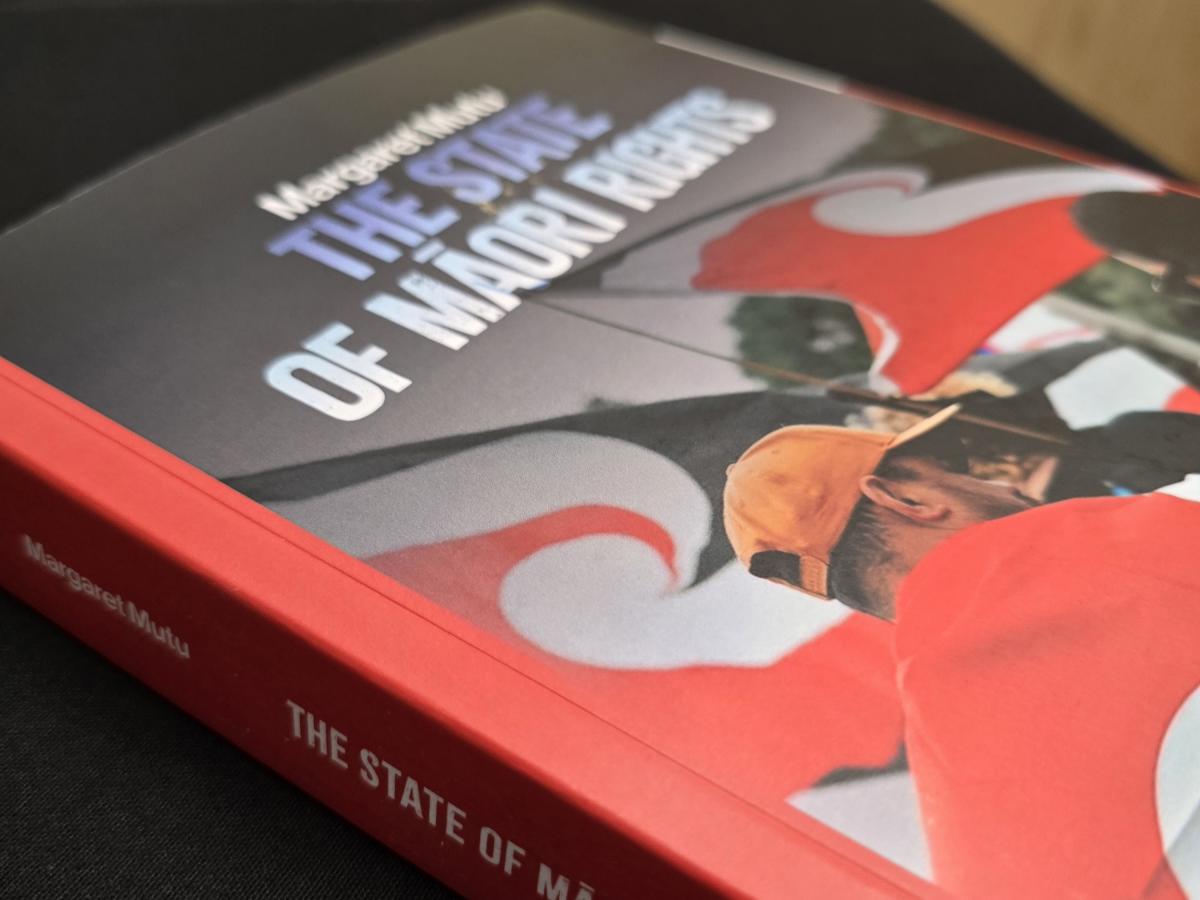
The State of Māori Rights, 2nd Edition
The second edition of The State of Māori Rights gathers Māori perspectives on key events and issues that have shaped our lives over the past thirty years. Scheduled for publication in 2025, it is a major revision and update of the 2011 first edition, which continues to be widely used in university courses.The book draws on kōrero from hui Māori held around… -
Māori Adaptation Theory & Practice: Oral Traditions, Literature, and Cinema
Māori have a long history of storytelling, which remains a central aspect of te ao Māori and a space for rangatiratanga. This is true of contemporary art forms, though little research has been conducted into adapting literature to screen. Briar’s research seeks to fill this gap by researching the influence of oral narrative forms on Māori literature and how…Kairangahau · Researchers
-
Associate Professor Deborah Walker-Morrison
Deborah Walker-Morrison (Ngati Kahungunu; Rakai Paaka; Ngati Pahauwera; Ngai Te Ipu, Ngai Tamanuhiri) was awarded the Dunmore Medal (awarded yearly by the Fédération des Alliances Françaises of New Zealand in recognition of major contributions to knowledge of the part played by the French people and French culture in the Pacific). She has received the NZ Tertiary Teaching Excellence Awards, nomination (awarded by the University of Auckland).
-
-
Māori Streets
Street design in Aotearoa has had limited involvement from iwi, hapū and Māori hāpori to date and yet streets are everywhere, they connect us to each other, they are communication channels and spaces and places to engage with others. What then might a Māori street look and feel like?Kairangahau · Researchers
-
Dr Morehu McDonald
Dr Morehu McDonald
My doctoral rangahau (research) and thesis focused on the resistance, struggle and survival of my Ngāti Hinerangi hapū and iwi of Matamata and Tauranga. Labeled as Hauhau and unsurrendered rebels, we were driven to the brink of cultural extinction by the Crown and Pākehā settler colonisers. Our lands, our identity, our language, our culture, our history, our stories, our traditional practices, our ancient knowledge systems, our spiritual beliefs were undermined, destroyed or stolen from us by 170 years of cultural genocide.This experience was shared by iwi and hapū throughout Aotearoa when… -
Dr Marjorie Lipsham
Dr Marjorie Lipsham
-
Dr Kimiora Raerino
Dr Kimiora Raerino
Kimiora’s research centres on Māori wellbeing in relation to the design and function of built environments - particularly streetscapes, public spaces, and transport systems. Recent work examines how these environments can better support whānau Māori through increased physical activity, reduced car dependency, and deeper cultural connection to place. Key interests include urban reindigenisation, Māori approaches to co-design, and creating healthier, more inclusive and equitable living environments for all. From 2018 to 2025, Kimiora led the Māori strand of Te Ara Mua – Future Streets, a…
-
-
Promising Futures Te Kawau Mārō: The Lifeworlds of highly qualified Māori - a cohort study of Māori PhD students and graduates
This nationwide research programme set out to deepen our understanding of the experiences, challenges, and contributions of Māori PhD graduates across Aotearoa. By tracing the post-graduation journeys of nearly 800 Māori doctoral scholars, the study aimed to highlight their intellectual, cultural, social and economic impact—within whānau, hapū, iwi and…Kairangahau · Researchers
-
Professor Joanna Kidman
Joanna Kidman is a sociologist with affiliations to Ngāti Maniapoto and Ngāti Raukawa. Her work spans indigenous sociology, Māori youth, higher education, decolonization studies and comparative education. She is especially interested in the interplay of power relations between different groups of people. She is a Fellow of Te Apārangi Royal Society of New Zealand.Joanna is working on several projects relating to the New Zealand Wars and the aftermath for Māori communities today. -
Research Professor Reremoana Theodore
Research Professor Reremoana (Moana) Theodore (Ngāpuhi) joined the Dunedin Study team in 1998 as an interviewer on the age-26 assessment phase (1998-99). She returned to the Study in 2007 and undertook post-doctoral research examining the early life predictors of cardiovascular outcomes including blood pressure, using longitudinal modelling techniques. Moana then worked on aligned longitudinal projects including the Graduate Longitudinal Study New Zealand and Te Kura Mai i Tawhiti (a programme of lifecourse research examining the long-term benefits of kaupapa Māori early childhood education… -
Associate Professor Hinekura Smith
Dr Hinekura Smith (Te Rarawa, Ngāpuhi) is NPM's Emerging Researchers’ Leader, providing further national leadership and coordination of MAI Te Kupenga and developing and nurturing initiatives that contribute to the outcomes and objectives of NPM’s Capability and Capacity Strategy.Hinekura was initially a secondary school te reo Māori teacher then moved into teacher education research almost 10 years ago, when she commenced her postgraduate studies. She has worked as a professional development facilitator in Māori medium schools, te reo Māori facilitator in English-medium schools and a… -
Dr Tara McAllister
Dr Tara McAllister
Tara has a background in freshwater ecology. Her work in this space focuses on understanding the environmental causes of toxic algae blooms in rivers. More broadly, she is interested in the intersections of mātauranga Māori and ecology, te taiao and environmental management. More recently, her research has focused on highlighting inequities for Māori in the research sector. She currently holds a Marsden called Vision Mātauranga- is it past its’ used-by date? which will explore the impact and epistemological roots of the Vision Mātauranga policy in New Zealand’s research sector. -
Associate Professor Sereana Naepi
I am a researcher and educator committed to fostering equitable and inclusive higher education and research systems. As a Rutherford Discovery Fellow at the University of Auckland, my work critically examines the intersections of equity, decolonization, and systemic change in academia. Drawing on Pacific and Indigenous methodologies, I aim to challenge traditional power dynamics and advance transformative approaches to equity within higher education. My research has been published in leading international journals and is recognized for offering critical insights into equity-focused policies…
-
-
“Kei whea rā he oranga mō taku iwi e”: A critical biography of Tuaiwa Hautai Rickard
Hineitimoana’s research is a critical biography of her grandmother, Tuaiwa (Eva) Rickard, a Tainui Ngāti Koata woman known for her influential role in the Māori land rights movement of the 1970s.Kairangahau · Researchers
-
Associate Professor Aroha Harris
Dr Aroha Harris belongs to Te Rarawa and Ngāpuhi. Her research interests span Māori and iwi histories of Māori policy and community development in the twentieth century. Her practice has included both historical and social research for Government departments, private organisations, and iwi. Contributing research advice for Te Runanga o Te Rarawa on a range of iwi development projects included involvement in the negotiation and settlement of Te Rarawa historical Treaty claims. Aroha is a founding member of Te Pouhere Korero, the national collective of Māori historians, and co-editor of their…
-
-
Tangi as a transferable mourning and grief model
This project explored Māori experiences of grief and mourning by reviewing existing literature to identify key insights and gaps. The findings will support the development of a culturally grounded model of grief, informed by mātauranga Māori and guided by experts in tangihanga and bereavement.